
Nothing for Grangemouth from the UK Gov - and a kick in the teeth for ScotWind
Where is the £200 million the UK Labour government promised to invest in Grangemouth to bring new green jobs? It has not materialised and nor has the considered market framework needed to create a sustainable aviation fuel hub there.

BP Exits the North Sea as Ardersier Sits Empty: Where has London Rule left Scotland’s Just Transition?
Scotland is facing a double blow to its energy sector. BP has announced a formal process to market its entire Aberdeen-based North Sea business - ending six decades of pioneering oil and gas production in the basin as part of a global portfolio strategy. Where is the transition? Where are the replacement jobs for North East workers?

Ten years on, Brexit is another “great betrayal” of Scotland
Scotland is the hardest hit of any UK nation by Brexit. A new academic study, Measuring the Regional Economic Cost of Brexit: Evidence, reports that Brexit has left Scotland almost £30 billion a year worse off.
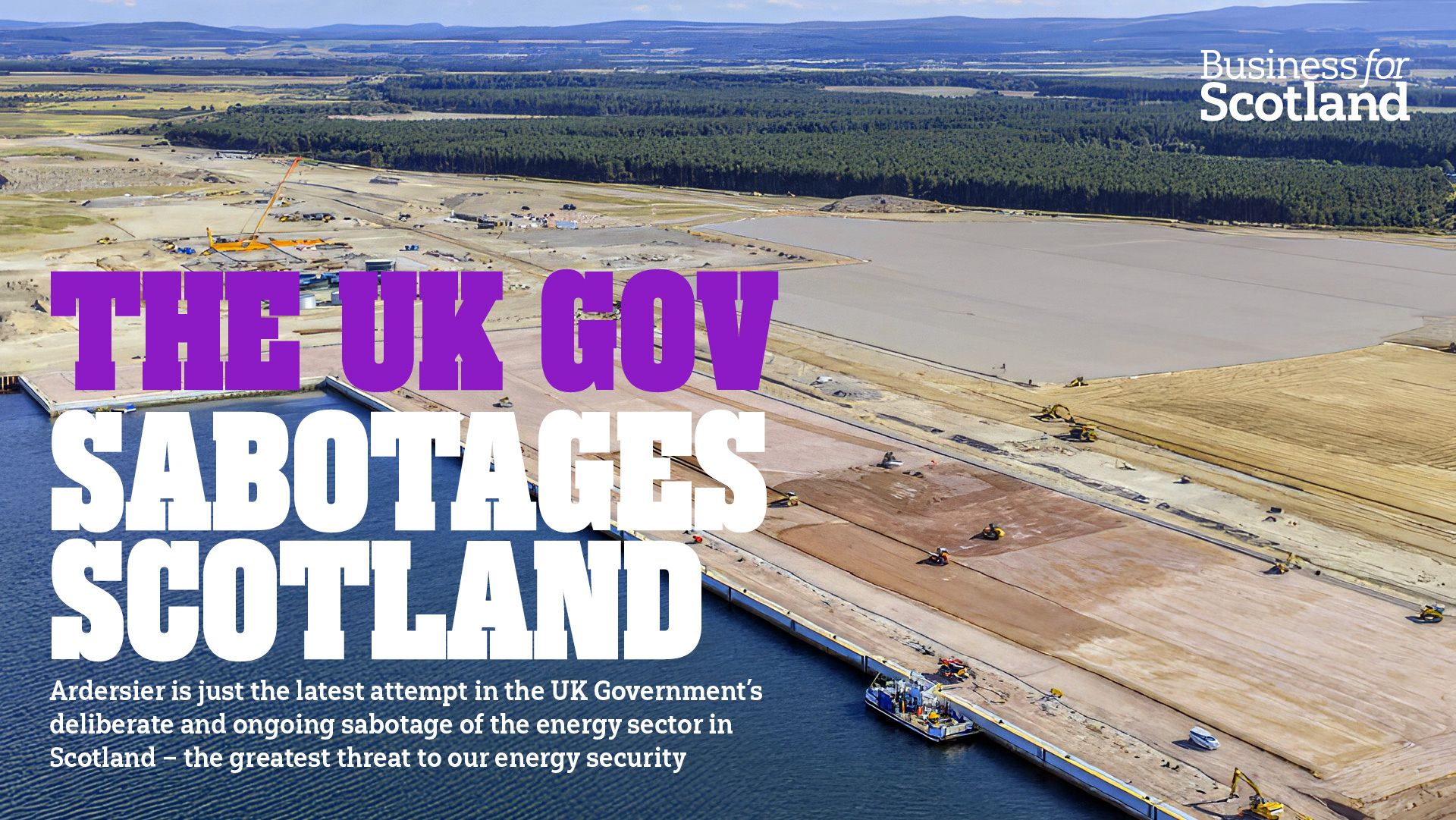
The UK is actively sabotaging Scotland’s Economy
The world’s largest wind turbine plant was due to be built at Ardersier near Inverness in the Highlands. It was a huge deal that took the Scottish government years of hard work to win. It was the Highlands' biggest regeneration project.
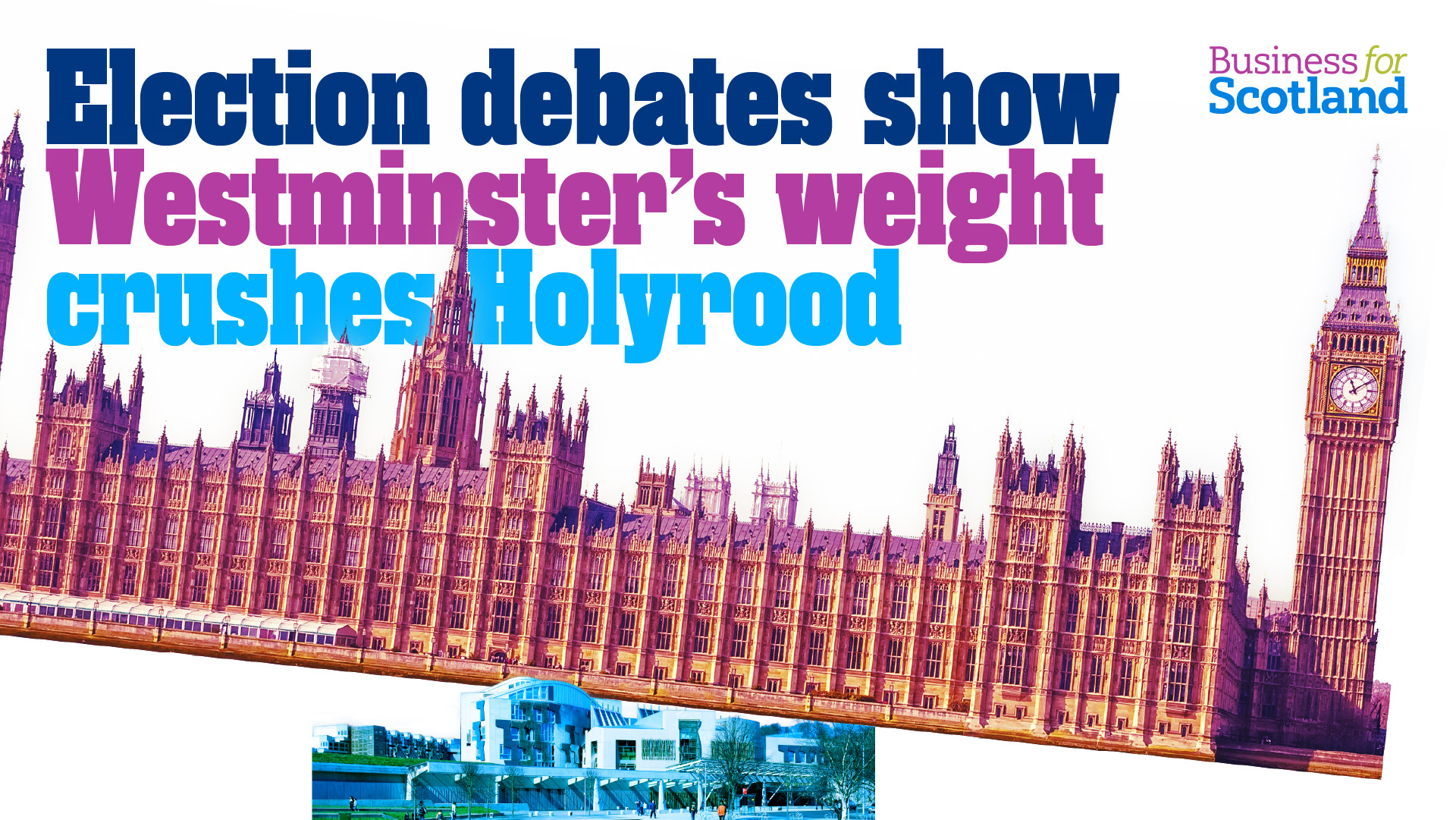
Election debates prove Westminster holds the main levers of power
The leaders’ debates in the run-up to the Holyrood election on May 7 are spending most of the time discussing matters that the Scottish Parliament has no say over, such as the decision to block a massive Chinese investment in the Highlands, the failure to protect jobs in oil and gas or invest in a just transition, and the huge energy bills Scots face.

UK Government betrays Scotland with massive cuts to post-EU funding
Scotland voted to remain in the EU. The UK government promised our EU funds would be matched - but they were slashed first by the Tories and now they are being slashed again by Labour. Jobs are being lost, growth is being slowed, communities are struggling - whilst England gets a better deal.
It is becoming clearer and clearer that post-Brexit “replacement of EU funding” really means nothing close to the investment that Scotland was promised would be protected. Instead of stable seven-year investment cycles, Scotland is enduring a twisty-turny sequence of Westminster-manipulated programmes that are leaving local authorities and third-sector organisations short-changed and forced to cut jobs.
The UK budget FAILS Scotland
The UK Chancellor has delivered a few crumbs for Scotland in her budget. These are making headlines in the Unionist media.
Meanwhile Scottish businesses continue to get pushed to the wall by outrageous energy prices and the deepening damage of Brexit. These, combined with self-inflicted fiscal rules, have caused the budget “black hole” in the first place.
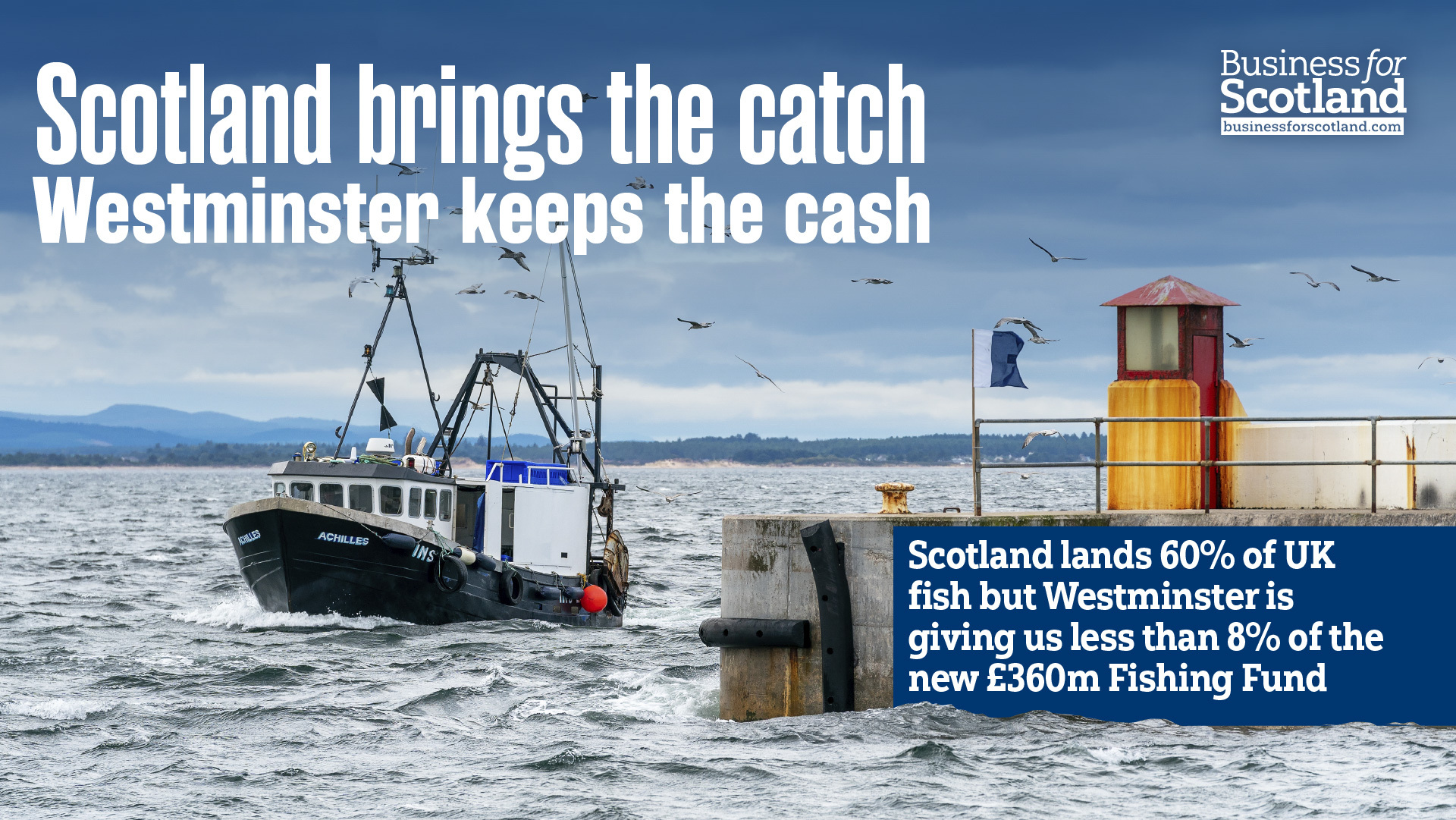
The UK’s Fish Fund - Another Slap in the Face to Scottish Industry
When we were in the EU, Scotland got almost half of the UK’s fishing funding. The UK’s replacement fund is slashing that amount. Instead, it gives Scotland a population share - less than 8%.
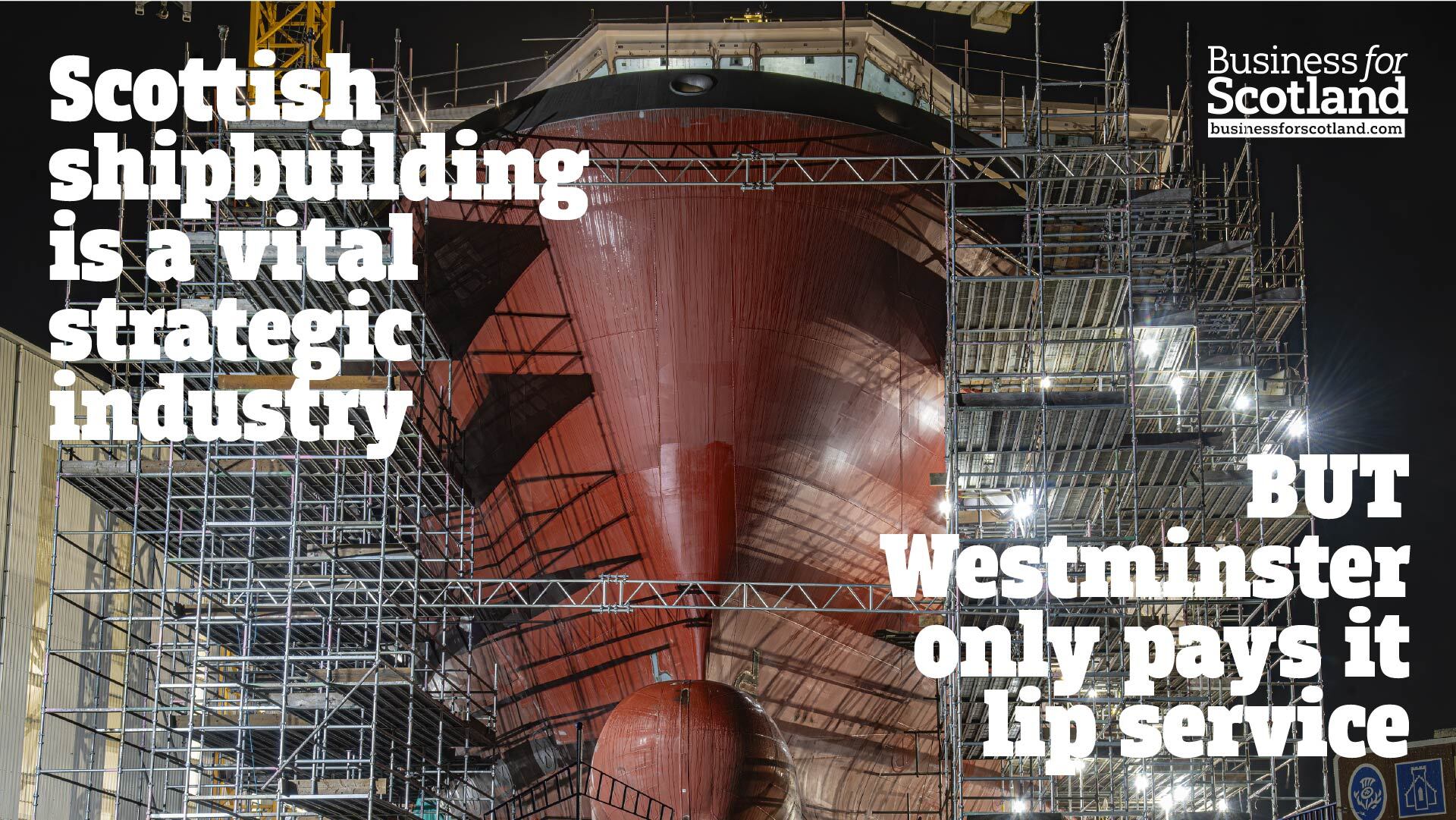
Shipbuilding shows why Scotland has reached the limits of devolution
The skill and commitment of Scotland’s shipbuilding workforce can compete with the best in the world. But for half a century the industry has been let down by the UK - it doesn't play on a level playing field.
A BAE Systems £10 billion deal with Norway to supply five Type 26 frigates of a design commissioned by the Royal Navy is a big win for the Clyde. But at the same time, Scotland’s shipyards stand to lose out on billions of civil contracts because of a Westminster finance model rigged against them.

Westminster knocks out Scotland’s rocket launch
Scotland’s chance to lead Europe in small-satellite launch is under threat. The Scottish Affairs Committee couldn’t have put it plainer this week: our “first-mover advantage” is being knocked back by a UK Government that won’t match the sector’s pace with sustained, strategic backing.